It Starts With Us: What Our Miami Retreat Means for PeopleLinx
Patrick Baynes, CEO · Nov 9, 2026

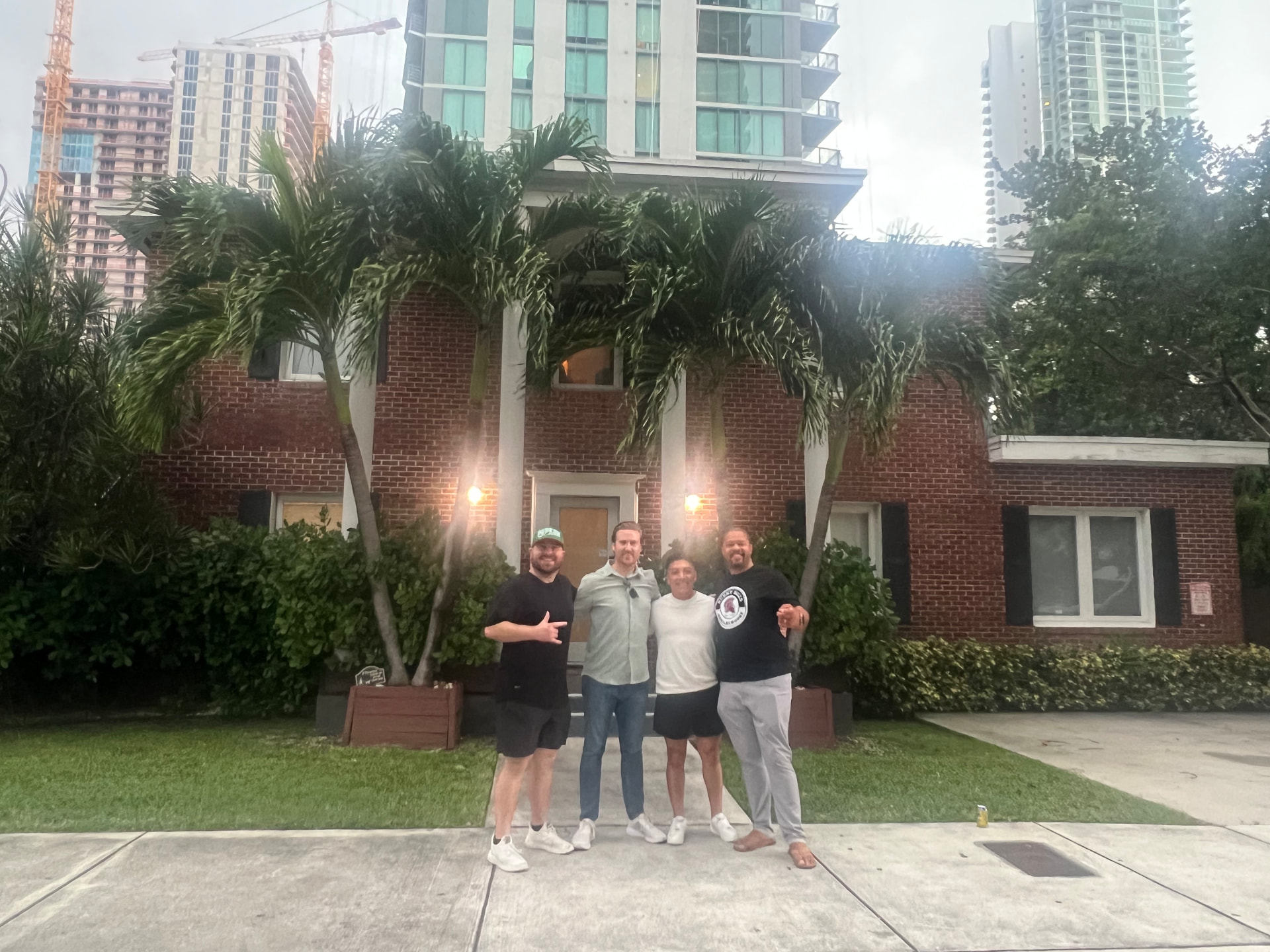
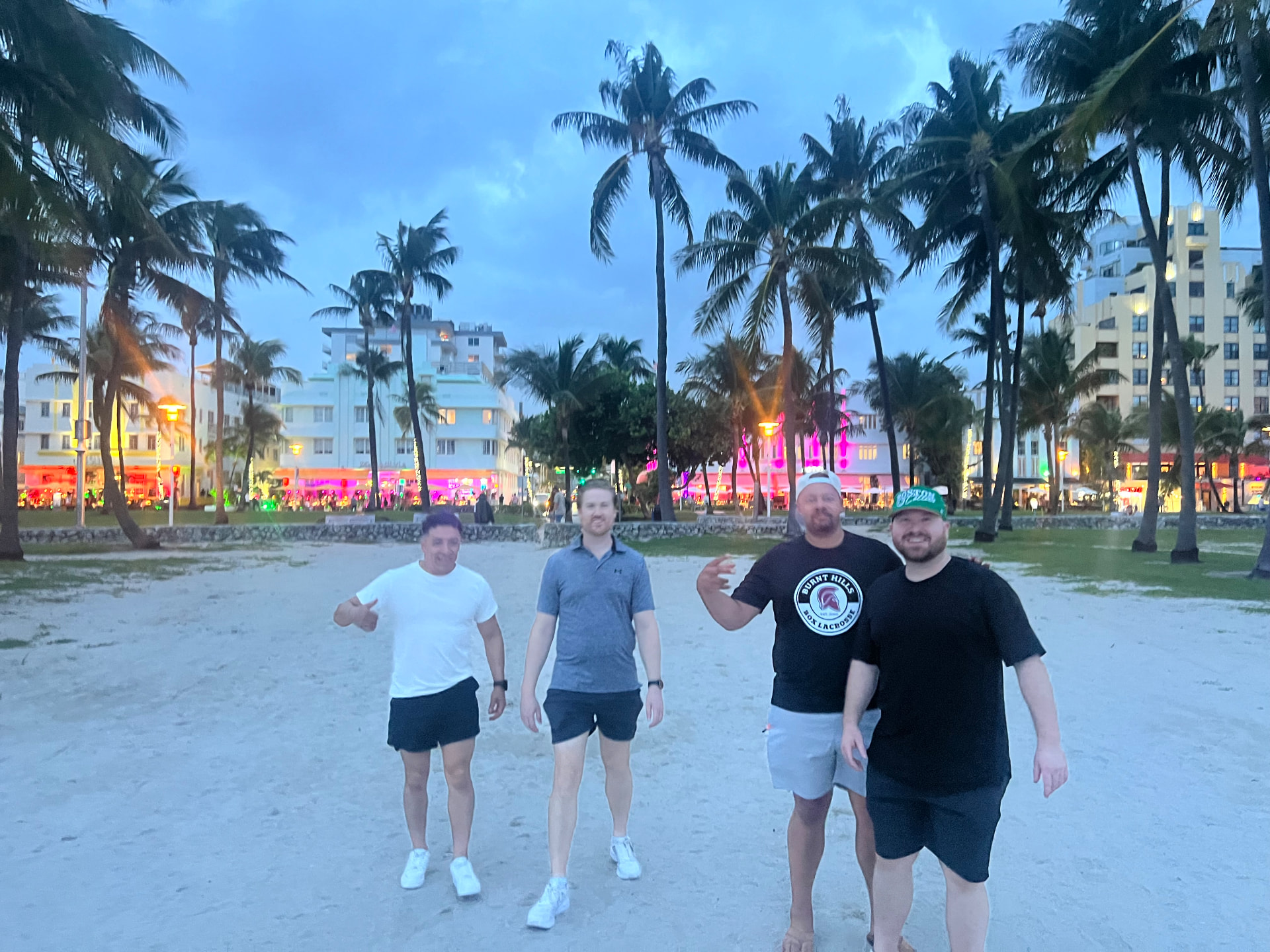
During our team retreat in Miami, I had a feeling that's stayed with me: we were getting more done in four days together than we sometimes do in four months apart.
Some of that was the speed of collaboration. A question could become a conversation, a conversation could become a decision, and everyone could understand why we made it.
But the biggest progress came from spending time on the questions underneath our everyday work.
Who are we? Why does PeopleLinx exist? What do we want to be known for? And what should those answers mean for the businesses that trust us?
Our theme for the week was simple: It starts with us.
If we want our clients to experience a thoughtful, connected, accountable company, we have to build that company together.
Giving our message meaning
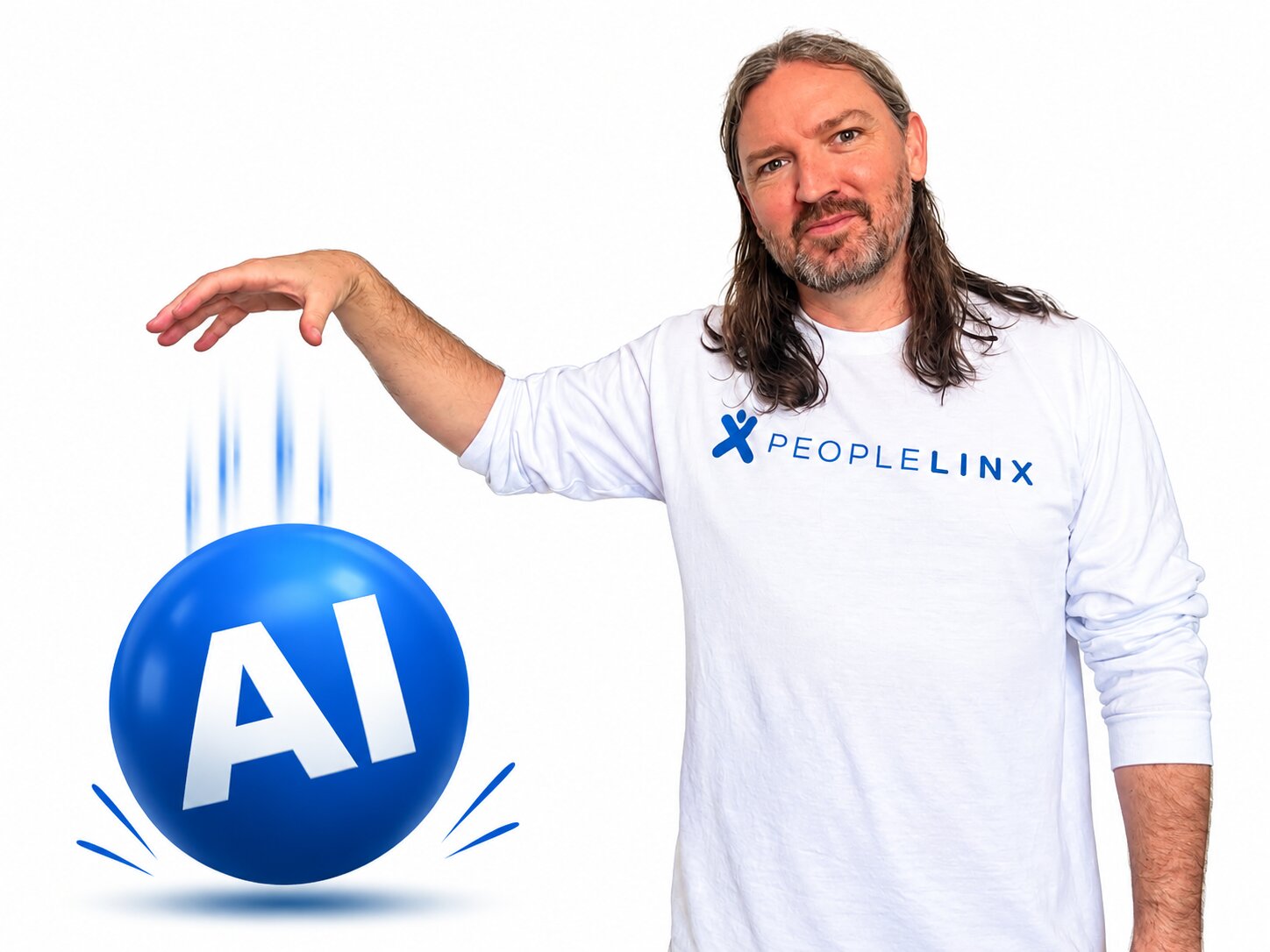
Shortly before the retreat, we announced that we were dropping “AI” from the PeopleLinx name. That decision put our purpose back at the center of our story: helping businesses grow through meaningful connections.
Miami gave us time to explore what that means in practice.
A message on a website becomes meaningful when the people behind it share an understanding of how to deliver it. That understanding has to reach across sales, strategy, campaign execution, and client success.
Everyone should be able to explain why we recommend a particular audience, why a message deserves someone's attention, and how our work connects to a client's goals.
That was the value of coming together: giving our positioning a shared foundation in the decisions we make every day.
Authentic outreach starts before the message
One of the ideas we kept returning to was authenticity.
In sales and marketing, that word often gets reduced to how an email sounds. Does it feel conversational? Does it include something personal? Does it sound like a human wrote it?
Those details matter. But our responsibility begins much earlier.
Authenticity has to run through the entire outreach program.
It starts with strategy: understanding what a business is trying to accomplish and where it can offer real value.
It shapes targeting: deciding who has a credible reason to hear from that business, and doing the research to understand why.
It guides messaging: giving someone a clear, relevant reason to engage, with a promise the business can actually fulfill.
It influences timing, follow-up, and volume: choosing a pace and scale that support useful conversations and allow us to respond thoughtfully when someone engages.
And it continues after the reply, through the handoff and the experience that follows.
An email can sound personal and still be irrelevant. A campaign can generate activity and still miss the business objective.
Our job is to connect those decisions into a program that makes sense for the client and the person receiving the outreach.
Alignment makes the work stronger
For a distributed team, it's easy to spend most of our time inside our individual responsibilities. We see our accounts, our deadlines, and our part of the process.
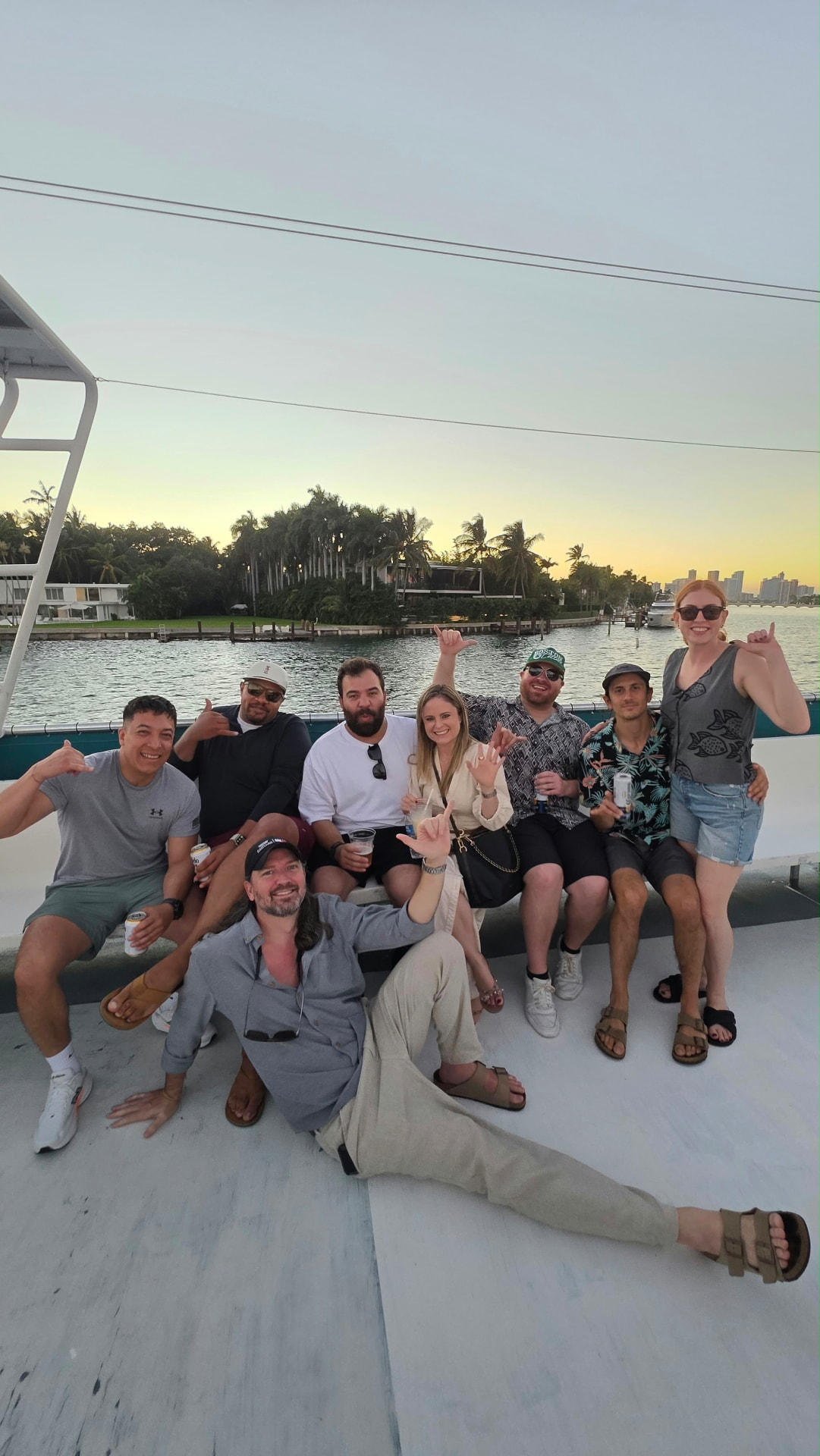
Being together helped us see more of the whole.
When someone explains the reasoning behind their work, colleagues gain context they can use in their own decisions. When we talk through a challenge together, we can recognize where another perspective or an earlier conversation would help.
That has practical consequences for clients.
Shared context supports more consistent recommendations. Stronger relationships make it easier to ask for help. Clearer expectations make ownership easier. Better communication helps carry a client's goals from the initial conversation into execution.
Those are the everyday behaviors that turn a group of capable people into an effective team.
Culture becomes part of the client experience
We spent time thinking about the culture we want to build: people who stay curious, take ownership, help each other succeed, and take pride in their work.
Those values become real through behavior.
Curiosity means asking another question before assuming we understand a client's business. Ownership means following an issue through to resolution. Helping each other succeed means sharing what we learn so the next person can do better work.
The retreat gave us room to strengthen those habits and the relationships behind them.
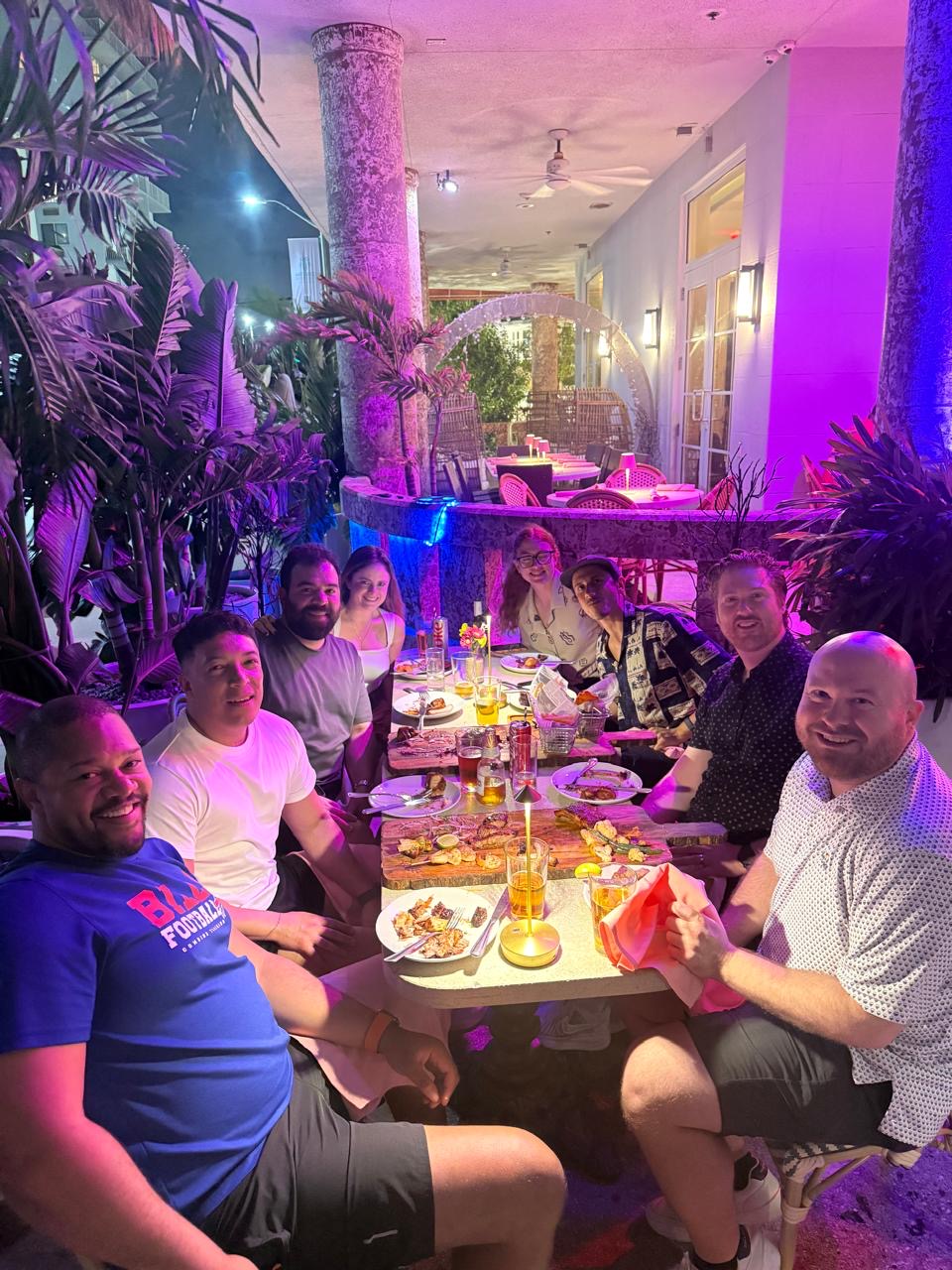
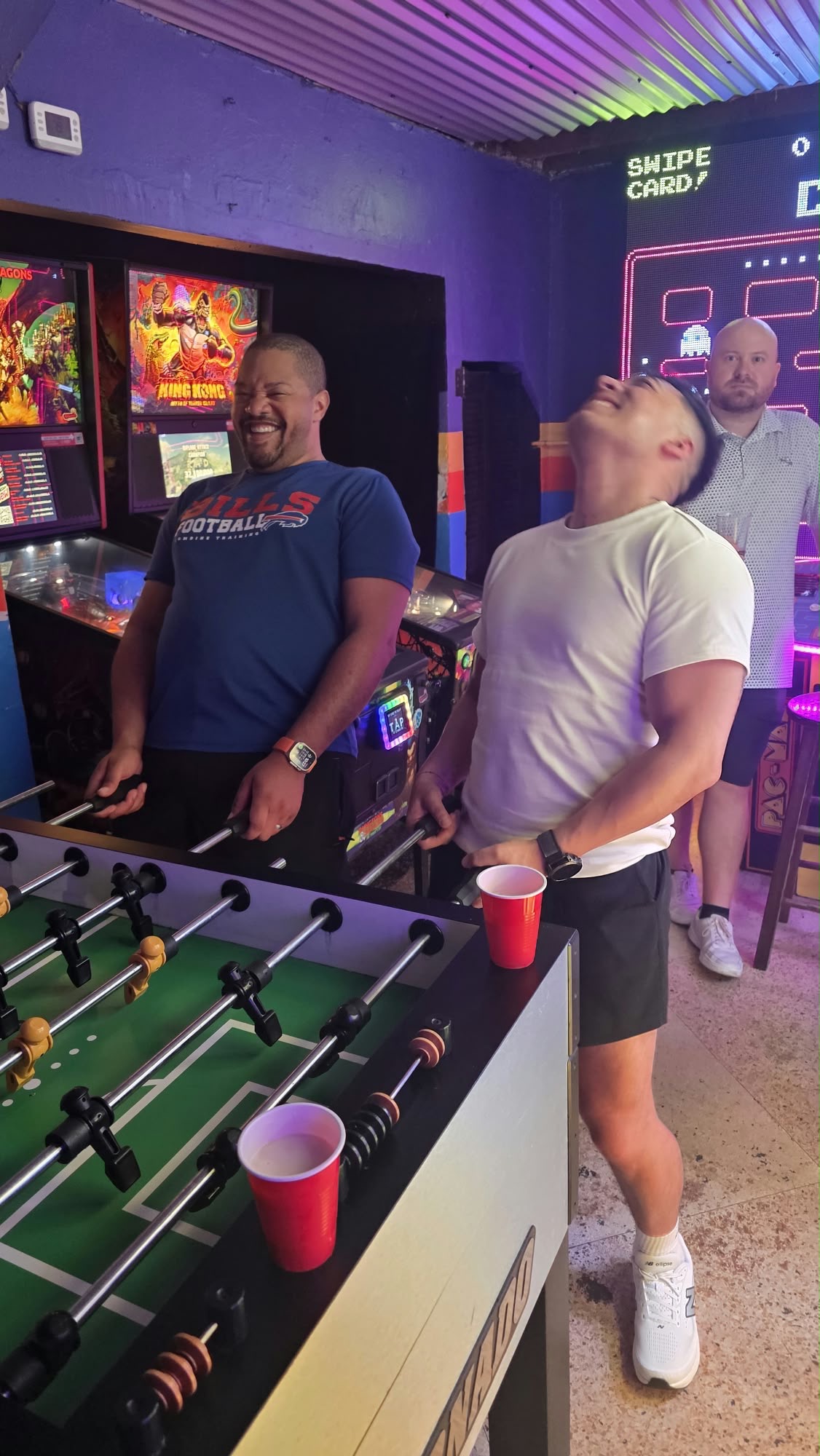
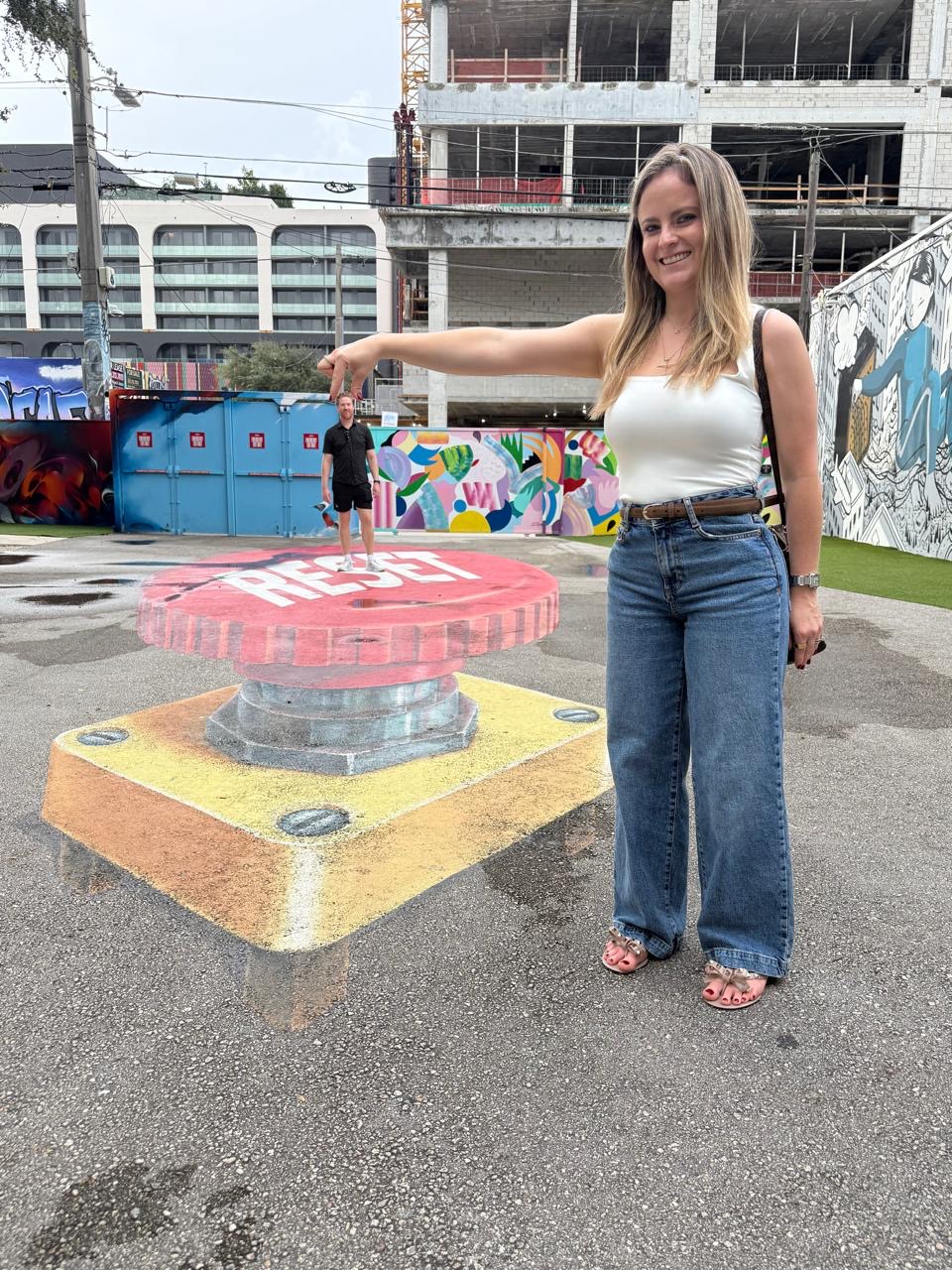
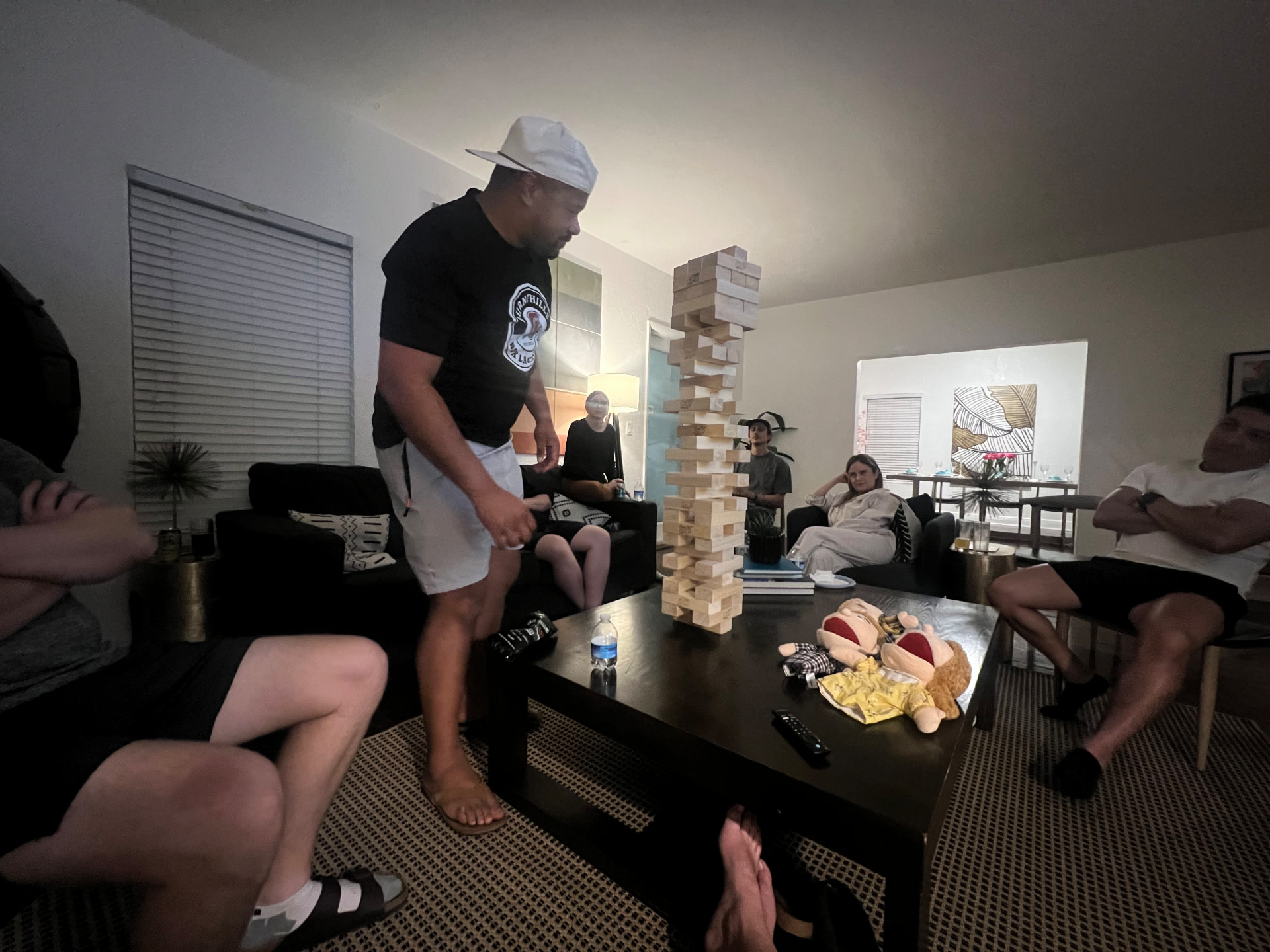
There's value in working through a difficult question together. There's also value in sharing a meal, having an unhurried conversation, and getting to know the person you usually see in a small window on a screen.
That familiarity gives future conversations a stronger foundation. It helps people speak openly, understand each other, and work through challenges with more trust.
Our clients experience the effects of that culture every time they work with us.
Bringing the clarity back to work
We left Miami with a stronger shared understanding of the company we're building and the standard we want our work to meet.
The next step is to carry that clarity into our client conversations, campaign decisions, internal collaboration, and measures of success.
For clients, the benefit should be a team that understands their goals, brings thoughtful recommendations, and takes responsibility for execution.
For our people, it means a clearer sense of purpose and a stronger connection between their individual work and what we can accomplish together.
And as we help shape expectations for modern outreach, we want our work to demonstrate the value of relevance, judgment, and care at every stage.
That's what made Miami valuable. We gave ourselves time to align the people responsible for delivering the promise.
Now we bring that alignment into everything we do.
It starts with us.
Patrick Baynes
CEO, PeopleLinx
peoplelinx.com