How to Build a Catering Sales Process That Maximizes Conversion — and Lifetime Value
Patrick Baynes · Jan 22, 2026
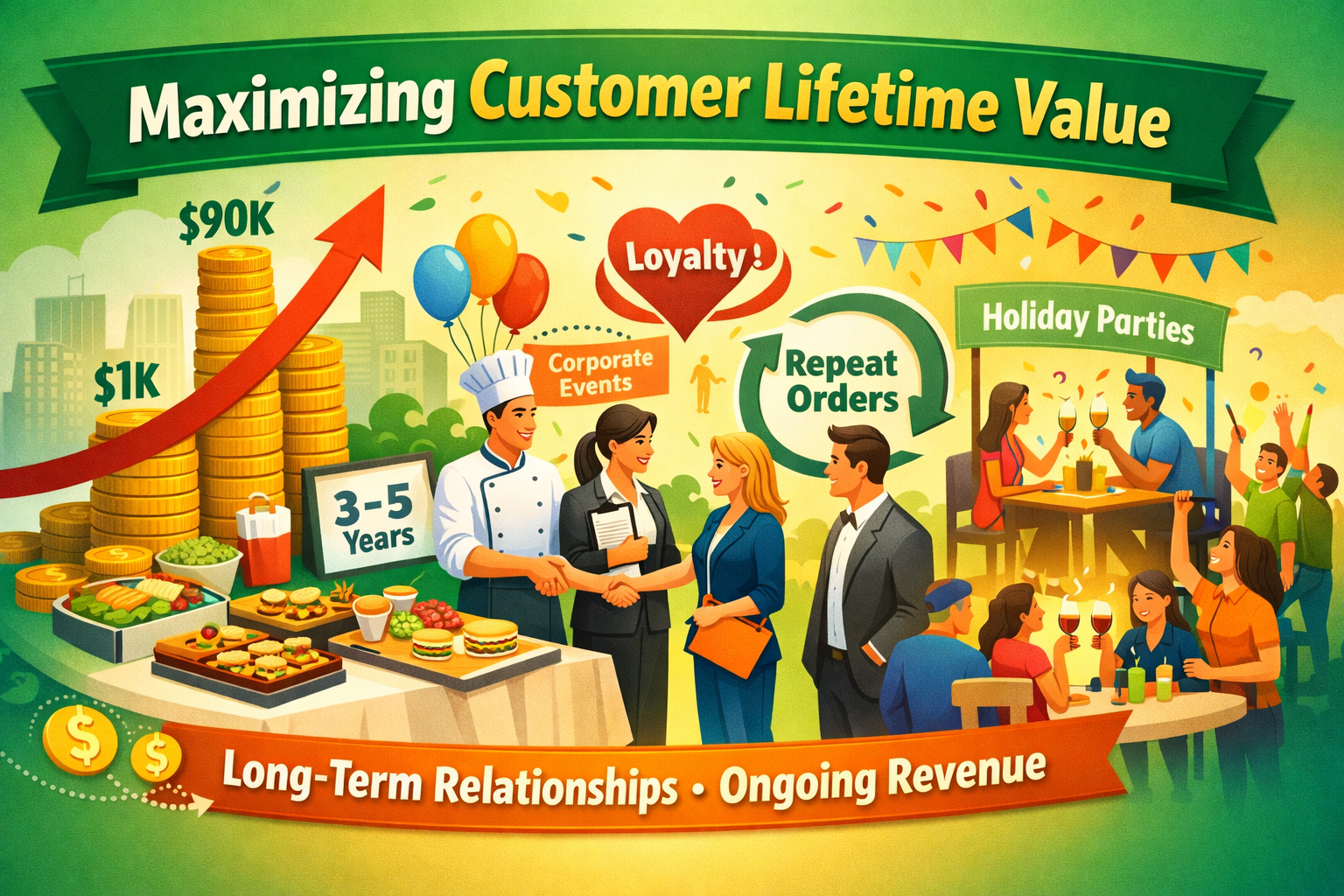
The lifetime value of a single catering relationship can range from $1,000 to $90,000 over a three- to five-year period.
That value isn’t created by one order. It’s created through consistency, trust, and repeat experiences over time.
PeopleLinx is designed to do something exceptionally well: consistently generate qualified conversations with catering buyers in your local market.
But the highest-performing catering programs recognize that these buyers aren’t just leads — they’re long-term customer relationships.
They’ll get to know your team, experience your food, and form opinions that determine whether they reorder, refer others, and grow in value over time. That’s why the most successful catering programs are owned internally.
Why Catering Sales Work Best When Owned In-House
Catering buyers don’t buy based on a menu alone — they buy based on experience.
They might be:
Office managers or executive assistants supporting 200–1,000+ employees
HR leaders managing internal events
Event planners coordinating recurring meetings
Operations teams ordering food year-round
Over time, these buyers:
Build familiarity with your staff
Gain confidence in execution
Associate your brand with reliability
Managing these relationships internally creates accountability, brand consistency, and the ability to capture lifetime value. These aren’t transactions — they’re ongoing partnerships.
What Your Catering Sales Process Should Do
A strong sales process should be designed to:
Convert new conversations into first-time orders
Turn first-time buyers into repeat customers
Grow lifetime value over time
That requires structure — not improvisation.
Lead With Questions, Not Information
Catering sales are most effective when they follow a consultative, question-first approach — often referred to as guess-free selling.
This aligns with the Sandler Sales principle: “Don’t spill the candy in the lobby.”
Instead of leading with menus or pricing, your process should prioritize understanding the buyer first.
Core Discovery Questions to Build Into Your Process
How often do you typically order catering?
What types of events are you ordering for?
About how many people do you usually feed?
Do you have a budget range you try to stay within?
Are others involved in the decision?
When do you typically need quotes?
Do you have upcoming events already scheduled?
These questions help you personalize follow-up, avoid over-selling, and identify long-term opportunity.
A Simple, Prescriptive Catering Sales Process
Your process doesn’t need to be complex — it needs to be consistent.
Respond quickly and personally
Run a structured discovery conversation
Tailor follow-up based on what you learned
Define a clear next step
Nurture the relationship over time
Consistency is what turns conversations into revenue.
Follow-Through Drives Conversion
Most catering leads are future buyers, not immediate ones.
Your process should include:
Asking when it makes sense to follow up
Asking how they prefer to stay in touch
Tracking seasonal and recurring patterns
Noting referrals and internal introductions
Inside PeopleLinx, the AI-powered inbox supports this by organizing leads by intent and making it easier to consistently follow through over time.
Activate Existing Leads and Customers
Your highest ROI often comes from existing relationships.
A strong sales process includes:
Re-engaging past customers
Nurturing dormant leads
Running seasonal or event-driven outreach
As lists grow, PeopleLinx account managers can help with segmentation and targeted activation to ensure valuable relationships don’t get overlooked.
Document Early. Improve Continuously.
Your process doesn’t need to be perfect — it needs to be written down.
Document your questions, steps, and follow-up standards. Refine them as you learn what converts best. The more prescriptive your process becomes, the easier it is to scale and improve lifetime value.
The Bottom Line
PeopleLinx helps you start the right conversations.
Your internal sales process determines how those conversations turn into repeat orders, referrals, and long-term customer relationships.
When a single catering relationship can be worth tens of thousands of dollars, a clear, internally owned sales process isn’t optional — it’s essential.